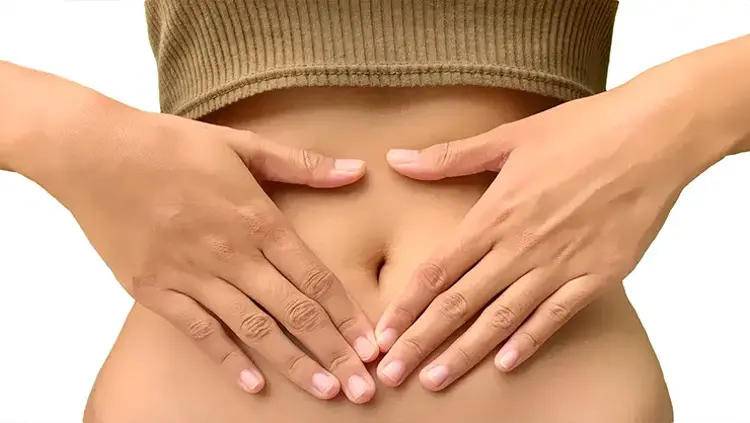
Excess skin removal after weight loss is worth discussing with Dr. Ömer Parıldar when loose folds remain after a significant change in body size and you would like to understand your options. Your concern might be practical, such as finding trousers that fit comfortably around an abdominal fold. It might involve irritation during exercise or uncertainty about the appearance of your arms. A consultation gives you a place to describe those concerns without needing to choose an operation beforehand.
The presence of loose skin does not diminish the work involved in losing weight. Skin and supporting tissues do not always contract sufficiently after substantial weight reduction, whether that change followed lifestyle adjustments, medical treatment or bariatric surgery. Surgical removal addresses the tissue that remains; it is not a replacement for weight management.
Deciding whether to proceed means weighing a possible improvement against scars, recovery and surgical risk. For some people, that trade-off is worthwhile. Others prefer to wait or manage their concerns without surgery. Your priorities should remain central to the discussion.
When Clothing Still Feels Uncomfortable
A smaller body does not always make shopping straightforward. You may find that a waistband fits one part of your abdomen but presses against a fold elsewhere. Sleeves might feel restrictive despite the rest of a garment fitting well. When explaining your concerns to Dr. Ömer Parıldar, these everyday examples can help communicate what you hope to change.
Loose folds can also contribute to friction, difficulty with hygiene and recurring skin irritation. Symptoms such as persistent soreness, broken skin or a recurring rash should be assessed rather than assumed to be an unavoidable consequence of weight loss. Surgery may address the tissue contributing to these difficulties, but a rash still needs an appropriate medical diagnosis.
Think about your experience across an ordinary week. Does the concern mainly arise during movement, in particular clothing or when caring for the skin? Separating these issues from your appearance-related goals gives the consultation a clearer starting point.
Can Skin Tighten Without Surgery?
Exercise can improve strength and fitness, but it cannot remove a substantial apron of redundant skin. Continuing a sustainable activity routine can still be valuable; the distinction is between improving the muscles beneath the skin and physically reducing the amount of skin above them. A fold that remains is not necessarily evidence that you need to exercise harder.
Creams and lotions have limits too. A moisturiser may temporarily improve the appearance of the skin surface, but it cannot lift a large hanging fold. Non-surgical treatments that encourage tightening may produce modest changes in selected cases of mild laxity. They should not be presented as equivalent to removing extensive excess tissue.
There is also a difference between skin laxity and localised fat. Liposuction removes fat, whereas skin excision removes redundant skin. Where both are present, a combined approach may be considered, but fat removal alone does not reliably correct poorly elastic skin.
Ask which tissue is creating the concern you can see. That answer is more useful than choosing a treatment because it promises a small incision or a short recovery.
Excess skin removal after weight loss: Timing
Weight stability is an important consideration before elective contouring surgery. Planning an operation while substantial weight change is continuing can make it harder to judge the amount and distribution of tissue that will remain. The assessment should therefore consider your recent weight pattern, not simply a number recorded on the day.
There is no universal amount of weight you must lose before requesting a consultation. Equally, reaching a particular clothing size does not automatically establish suitability for surgery. General health, tissue characteristics, smoking status and your ability to recover all contribute to the decision.
You can contact Dr. Ömer Parıldar while you are still gathering information. Explain whether your weight has settled and whether further changes are expected. Bring up future pregnancy plans or other circumstances that could affect the timing of treatment.
A consultation and an operation date do not need to be the same decision. It is reasonable to use the first appointment to understand what readiness would involve and return to the question of scheduling later.
The Health Review Before Treatment
Preparation should include an accurate review of your medical history, previous operations, allergies and medication. Tell the treating team about prescribed medicines, occasional treatments and supplements. Do not stop medication independently because you have read general advice about cosmetic surgery; changes need to be agreed with the relevant clinicians.
Nutrition deserves particular attention after bariatric surgery or substantial dietary restriction. Inadequate protein intake and vitamin or mineral deficiencies can affect healing. Depending on your history, laboratory testing and nutritional support may be recommended before proceeding. Feeling well does not necessarily exclude a deficiency.
Smoking and other factors that impair wound healing also need an open discussion. Explain your current habits honestly so that preparation can be based on accurate information rather than assumptions.
Bring any relevant records to your appointment with Dr. Ömer Parıldar. If an issue needs further investigation or correction, ask what the next step is and how your readiness will be reassessed. Preparation should leave you with a clear plan, not a vague instruction to become healthier.
Excess skin removal after weight loss: Procedures
An overhanging lower abdominal fold may be addressed with a panniculectomy, sometimes called an apronectomy. This operation concentrates on removing the hanging apron of skin and associated tissue. It does not provide the same correction as a full tummy tuck and does not automatically address looseness higher on the abdomen.
An abdominoplasty is a broader abdominal contouring operation. Depending on the findings, it may involve removing excess skin and fat, repositioning the skin around the navel and repairing separated abdominal wall support. The exact technique should follow the anatomy rather than an assumption that every patient needs the same operation.
When excess tissue continues around the sides and back, a circumferential procedure may be considered. A belt lipectomy or lower body lift extends the correction beyond the front of the abdomen and involves a longer scar. Upper-arm and thigh procedures address different areas, with incision patterns determined by the location of the loose tissue.
Breast or chest reshaping requires its own assessment. Removing skin and lifting tissue is not the same as adding volume. Those goals should be discussed separately so that the proposed treatment addresses what you actually wish to change.
Excess skin removal after weight loss does not require treating every affected area. Some operations may be combined, while others are better discussed as separate stages. Ask what each proposed procedure contributes and which concerns would remain untreated. You may decide that addressing one troublesome area is enough, even when other options are available.
Excess skin removal after weight loss: Scars
Scar placement deserves as much attention as the planned change in contour. Removing a large amount of loose skin requires an incision of sufficient length to make that correction possible. A promise of extensive removal through an almost invisible incision should therefore prompt careful questions about what can realistically be achieved.
Abdominal scars may sit low enough to be covered by some underwear or swimwear, but coverage depends on the procedure and clothing. Arm and thigh scars can extend along the inner surface of the limb. Ask to have the likely pattern explained rather than relying on a description such as “well hidden.”
Scars are permanent, although their colour, texture and prominence can change over time. Fading may continue for two years or longer. Silicone products or other scar treatments may be appropriate, but they do not erase scars, and massage should not begin before the wound has fully healed.
Discuss any history of troublesome scarring. The decision should reflect your willingness to accept the expected scar pattern, not only your wish to remove loose skin.
Planning Around Your Home Life
Before choosing a date, consider the responsibilities that would continue while you recover. Who would collect groceries, prepare meals or help with children? Is there someone who can accompany you home and remain available during the early period? These questions are easier to resolve before treatment than after discharge.
Explain your circumstances during the consultation. A person who lives alone may need different practical arrangements from someone with reliable help at home. A patient travelling for treatment needs to think about accommodation and transport as well as the operation itself.
Prepare questions about sleeping arrangements, washing, dressing and getting to follow-up appointments. Do not purchase equipment or garments on the assumption that everyone receives identical instructions.
A useful plan also allows for uncertainty. Consider what you would do if help were needed for longer than expected or your return to work had to be delayed. Having an alternative arrangement can reduce the pressure to resume activities before you are ready.
What Happens During Early Healing?
The early recovery period commonly involves swelling, bruising, discomfort and a sense of tightness in the treated area. Dressings protect the incisions, and temporary drains may be used to remove collected fluid. Pain management, drain care and any prescribed support garments should be explained before you leave the treatment facility.
Discharge timing depends on the operation and your condition. Do not assume that a procedure performed on one area has the same hospital requirements as a more extensive combination. Ask what monitoring is anticipated and what needs to happen before discharge is appropriate.
Recovery is not simply a choice between complete bed rest and normal activity. Gentle movement is generally encouraged as directed, while lifting, bending or straining may remain restricted. Follow the instructions for your own operation rather than borrowing a routine from someone who had a different procedure.
Before leaving, confirm how your wounds will be checked and whom to contact with concerns. Keep the instructions and contact details accessible. If an aspect of care is unclear, ask for it to be demonstrated or explained again rather than improvising.
Work, Driving and Training
Returning to everyday activities involves several separate decisions. Being able to answer emails does not mean you are ready to commute, carry a laptop bag or remain seated comfortably for an entire working day. Describe the actual demands of your job when asking about time away.
For a tummy tuck, a planning estimate of around four to six weeks away from work and exercise is commonly given, but this is not a timetable for every skin-removal procedure. Your operation, job requirements and healing progress determine the advice that applies to you.
Driving also requires individual guidance. Ask about the effects of medication, movement restrictions and your ability to respond safely in an emergency. Avoid treating the end of a planned holiday as automatic clearance to drive.
Exercise should return in stages under the treating team’s guidance. Walking, resistance training and strenuous abdominal exercise place different demands on healing tissues. Ask for activity-specific advice rather than a single date labelled “back to normal.”
Symptoms That Need Medical Attention
Skin-removal operations carry risks including bleeding, infection, fluid collections, delayed wound healing, changes in sensation and uneven contours. Some patients develop troublesome scars or require additional treatment. Anaesthetic complications and blood clots are also important considerations when assessing whether surgery is appropriate.
Increasing redness, concerning discharge or worsening wound pain should be reported promptly. The treating team should explain which symptoms require an urgent examination and how to obtain one. Photographs and messages can support communication, but they are not a substitute for an examination when one is needed.
New pain or swelling in one leg needs urgent medical assessment. Sudden breathlessness or chest pain after surgery warrants emergency care rather than waiting for a routine appointment or a clinic message response.
Ask about these arrangements before consenting. Knowing how a problem would be assessed, who would provide care and where to seek help is part of making an informed decision.
Will the Skin Become Loose Again?
Excess skin removal after weight loss can produce lasting changes, but it does not stop ageing or prevent the remaining tissues from changing. Significant weight fluctuations can alter the result, and some loss of firmness may occur over time. Maintaining a stable weight is relevant to preserving the contour achieved.
The early appearance should not be treated as the finished result. Swelling and tissue settling continue during recovery, while scars develop on a different timetable. Ask when progress should be reviewed and when it would be reasonable to discuss any remaining concern.
Surgery also does not guarantee complete symmetry or remove every area of laxity. A treatment directed at the abdomen, for example, does not automatically change the arms or thighs.
Before proceeding, define what a meaningful improvement would look like for you. A more comfortable waistband or reduction in a troublesome fold may matter more than pursuing an idealised silhouette. Those individual goals provide a useful basis for the consultation with Dr. Ömer Parıldar.
What a Treatment Quote Should Explain
The cost depends on the procedures proposed, the extent of treatment and the services involved. Surgeon and anaesthetic fees, operating facilities, medical tests, garments and postoperative appointments may be separate components. An estimate for one area should not be assumed to cover a broader staged plan.
Request a written explanation of what is included when discussing treatment with Dr. Ömer Parıldar. Ask about additional visits, unexpected wound care and the arrangements for any further surgery that might become necessary. The answer should distinguish planned services from possible additional expenses.
For patients travelling, accommodation and transport need their own consideration. Build the practical budget around the medical plan rather than selecting treatment solely because an advertised figure appears attractive.
You should be able to describe what the quotation covers in plain language before committing. An unclear inclusion is a question to resolve, not something to assume.
Excess skin removal after weight loss in Istanbul
An appointment with Dr. Ömer Parıldar in Istanbul is a starting point for discussing your concerns and the assessment they require. When requesting a consultation, explain your weight-loss history, the areas that trouble you and any ongoing medical care. Ask which documents would be useful to bring.
For patients coming from another city or country, establish the expected local follow-up arrangements before confirming travel. You need to understand how long you may need to remain nearby and what would happen if an additional examination became necessary.
Surgery and prolonged travel both increase the risk of blood clots. The timing of a return journey should therefore be discussed with your treating team, rather than determined only by a convenient flight or the end of an accommodation booking.
Also clarify how care would continue after you return home. Ask about access to treatment records, communication with the surgical team and arrangements for a local examination if required. A travel plan should leave room for recovery rather than treating it as a fixed sightseeing schedule.
Dr. Ömer Parıldar
Excess skin removal after weight loss is a personal decision that begins with understanding your own priorities. You may already know which fold causes the most difficulty, or you may need help separating skin excess from other contour concerns. Either is a reasonable starting point for a consultation.
Contact Dr. Ömer Parıldar to discuss an individual assessment and the information needed before considering treatment. Bring questions about scars, preparation, recovery and the changes you would value most. There is no need to arrive committed to a particular operation or a complete series of procedures.
Your decision should follow a clear explanation of the proposed treatment and its limitations. Start with the concern that matters to you, then consider the options in the context of your health and daily life.
Consultation and Contact
Telephone: +90 546 198 81 35
WhatsApp: +90 546 198 81 35
Email: info@dromerparildar.com
Address:
Basınköy, Florya Cd. No:15-17
34153 Bakırköy / İstanbul
Arrange your consultation with Dr. Ömer Parıldar to explore your options and make a considered decision about the changes you would like to pursue.
İlgili bağlantı: https://www.dromerparildar.com/iletisim/
İlgili bağlantı: https://www.instagram.com/dromerparildar/
Articoli correlati
Scopri altri approfondimenti dedicati ad argomenti simili.