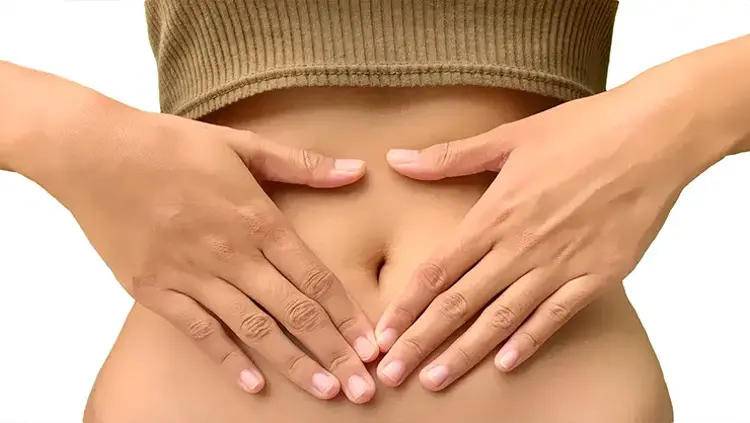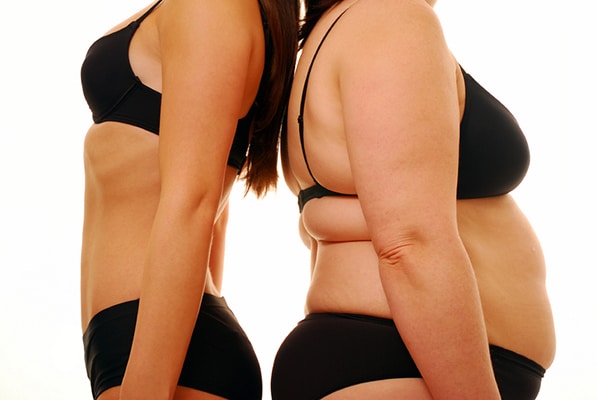
Tummy tuck surgery
Tummy tuck surgery can be considered with Dr. Ömer Parıldar when loose abdominal skin, changes in the abdominal wall or persistent tissue around the lower abdomen continue to affect body contour despite a stable weight. Pregnancy, substantial weight fluctuations, ageing and individual skin characteristics can all change the relationship between the skin, fat and abdominal muscles. For some patients, the main concern is an overhanging lower abdominal fold. Others are more troubled by skin laxity above and below the navel or by a feeling that the abdomen no longer reflects the rest of their body proportions.
A tummy tuck, medically known as abdominoplasty, is not designed as a weight-loss procedure. Its purpose is to remove selected excess skin and tissue and, where appropriate, address changes in the abdominal wall. The extent of treatment varies significantly between patients because the abdominal tissues do not change in exactly the same way after pregnancy, weight loss or ageing.
A consultation therefore begins with an examination rather than with a predetermined technique. Dr. Ömer Parıldar evaluates skin quality, the distribution of excess tissue, previous scars, abdominal wall structure, general health and personal expectations before discussing what type of treatment may be appropriate.
Why Does the Abdomen Change Over Time?
The abdomen is affected by several different tissues at once.
Skin stretches as body size changes. Pregnancy can create substantial expansion over a relatively short period, while long-term weight gain can gradually stretch both skin and supporting tissues.
When the body later becomes smaller, the skin does not always contract completely.
Genetics influence how strongly the skin responds. Age also affects elasticity, although younger age does not guarantee that loose skin will disappear naturally.
The abdominal wall can change independently from the skin.
Pregnancy may contribute to separation of the rectus muscles, commonly referred to as diastasis. Significant changes in abdominal volume can also affect the support provided by the underlying tissues.
Fat distribution creates another variable.
Some patients have a relatively thin layer of abdominal fat but considerable loose skin. Others have more localised fatty tissue beneath otherwise firm skin.
There are also patients whose abdominal projection is influenced substantially by deeper visceral fat around the internal organs. This type of fat cannot be removed through cosmetic abdominal surgery or liposuction.
These differences are important because no single procedure addresses every possible cause of abdominal fullness.
Tummy tuck surgery: Who May Be Suitable?
Tummy tuck surgery may be appropriate for adults with excess abdominal skin or tissue who are in suitable general health and have realistic expectations about what surgery can achieve.
A relatively stable body weight is usually preferred.
If substantial weight loss is still expected, the abdominal skin may continue changing. Planning surgery too early can therefore make the eventual contour less predictable.
Weight stability does not mean that the scales must show exactly the same number every day. Normal fluctuations occur. The important question is whether a significant ongoing change in body size is expected.
Patients should also discuss future pregnancy plans.
Pregnancy after abdominal surgery is possible, but it can stretch the abdominal tissues again and alter the result. A patient planning pregnancy in the near future may therefore decide to postpone elective contouring.
General health is equally important.
Diabetes, cardiovascular conditions, blood-clotting disorders, anaemia and previous wound-healing problems can affect surgical planning.
Smoking and nicotine use deserve particular attention because they can impair blood supply to healing tissues. Honest disclosure is essential.
During consultation with Dr. Ömer Parıldar, the purpose is not simply to decide whether an operation can technically be performed. It is to determine whether the likely benefit is reasonable in relation to the scar, recovery and potential risks for the individual patient.
What Can Abdominoplasty Address?
A tummy tuck can remove selected loose skin, particularly from the lower abdomen.
The remaining skin is repositioned to create a smoother abdominal contour.
Depending on the anatomical findings, treatment may also involve tightening or repairing separated abdominal wall tissues.
The navel is often repositioned through a new opening in the abdominal skin during a full abdominoplasty.
This does not mean that a completely new navel is created. The existing navel generally remains attached to its deeper tissues while the surrounding abdominal skin is moved.
The operation may also remove some stretch marks if they are located within the skin that is excised.
Stretch marks outside the removed area remain.
For this reason, patients should not expect an abdominoplasty to erase every mark on the abdomen.
The operation also does not remove visceral fat.
If much of the abdominal projection comes from deeper internal fat, the external contour change may be more limited than expected.
Understanding exactly which tissues contribute to the concern is therefore a central part of planning.
Different Types of Abdominal Contouring
Not every patient requires the same extent of surgery.
A full abdominoplasty is commonly considered when loose skin affects both the lower and central abdomen and significant repositioning is needed.
A mini abdominoplasty can be discussed in selected patients whose concern is primarily limited to the lower abdomen below the navel.
The correction is more limited, which means it is not an alternative to a full procedure when substantial laxity extends higher.
For patients with very extensive skin excess, particularly following major weight loss, additional techniques may be required.
A fleur-de-lis approach removes tissue in both horizontal and vertical directions. It can provide greater correction in selected cases but results in an additional vertical abdominal scar.
Where loose tissue extends around the waist and back, a more extensive circumferential body-contouring procedure may be more appropriate than an isolated tummy tuck.
Dr. Ömer Parıldar can explain which technique is relevant after assessing how the excess skin is distributed.
The most limited operation is not automatically the most suitable operation. The procedure needs to be large enough to address the actual problem without becoming unnecessarily extensive.
Tummy tuck surgery: What Happens During Planning?
Planning Tummy tuck surgery involves examining the abdomen while the patient is standing as well as considering how the tissues behave in different positions. The distribution of skin excess, fatty tissue, previous scars and abdominal wall changes all influence the surgical design.
Previous operations are particularly important.
A prior caesarean section, abdominal surgery or earlier body-contouring procedure can leave scars that affect both planning and blood supply.
Bring information about previous surgery to the consultation when available.
Dr. Ömer Parıldar also considers the relationship between the abdomen and neighbouring areas.
For example, prominent flank fat can influence the overall waistline even after abdominal skin has been tightened. In selected cases, liposuction may therefore be discussed as an additional contouring technique.
This does not mean that liposuction is automatically necessary with an abdominoplasty.
Skin removal and fat removal perform different functions.
The surgical plan should address only the tissues that actually require treatment.
Is Muscle Repair Always Necessary?
No.
The abdominal wall should be evaluated individually.
Some patients have separation or laxity that may benefit from repair during abdominoplasty.
Others have relatively good muscle support and primarily need skin removal.
The decision is made through examination and surgical judgment rather than automatically adding muscle repair to every procedure.
When abdominal wall repair is performed, the early recovery can feel tighter because internal tissues have also been adjusted.
This can influence activity restrictions and the time required before strenuous exercise resumes.
Patients should ask whether muscle repair forms part of their proposed treatment and why it is being recommended.
It is useful to understand the difference between removing loose skin and changing internal abdominal support.
Liposuction and Abdominoplasty Are Not the Same
Liposuction removes subcutaneous fat through small access incisions.
Abdominoplasty removes excess skin and can address certain abdominal wall changes.
A patient with good skin elasticity but localised abdominal fat may be a better candidate for liposuction than skin removal.
A patient with significant loose skin may obtain little benefit from fat removal alone.
In selected patients, the two techniques can be combined.
For example, liposuction may be used to refine the waist or nearby fatty areas while abdominoplasty addresses abdominal skin.
The choice should not be based on which procedure sounds easier.
A smaller operation that does not address the underlying concern can produce disappointing results.
During consultation, ask which part of your abdominal appearance is caused by fat and which part is caused by loose skin or abdominal wall structure.
Understanding the Scar
A tummy tuck leaves a permanent scar.
The principal scar usually runs across the lower abdomen.
Its length depends on how much skin needs to be removed and how far the excess extends toward the sides.
For some patients, the scar can be positioned relatively low so that many types of underwear can cover much of it. Exact placement still varies according to individual anatomy and the amount of correction required.
A full procedure also generally creates a scar around the navel.
During the first months, scars may appear pink, red, raised or firmer than the surrounding skin.
They then mature gradually.
Fading can continue for a year or longer, but scars do not disappear completely.
Genetics, skin characteristics, wound tension, infection and smoking can all affect scar quality.
Patients should therefore evaluate surgery as a trade-off between removing unwanted abdominal tissue and accepting the scar necessary to achieve that change.
Tummy tuck surgery: Recovery
Recovery after Tummy tuck surgery requires planning because the abdomen is involved in many ordinary movements. Standing, sitting, getting into bed, coughing and reaching can all feel different during the early healing period.
Swelling, bruising and a sensation of tightness are common initially.
Patients may not stand completely upright immediately because the abdominal tissues feel tight.
This usually improves gradually.
Dressings are applied over the incisions, and a compression garment may be recommended.
The garment should be worn according to the instructions provided rather than tightened excessively.
Temporary drains may be used in some patients to remove fluid accumulating beneath the skin.
Whether drains are necessary depends on the surgical technique and individual treatment plan.
If they are used, the team should explain how to manage them and when removal is expected.
Gentle walking is generally introduced when medically appropriate.
Early movement supports circulation, while heavy lifting and strenuous exercise remain restricted.
The balance is important. Recovery does not require lying completely still, but it also does not mean returning immediately to normal physical activity.
Preparing Your Home Before Surgery
Practical preparation can make recovery considerably easier.
Place frequently used items where they can be reached without excessive bending or stretching.
Prepare comfortable, loose-fitting clothing.
Arrange simple meals or assistance with cooking during the early period.
If you have young children, organise help with lifting.
The same applies to heavy shopping, laundry and household tasks.
Patients who live alone should think carefully about who can assist during the first days after discharge.
Transportation should also be arranged in advance.
You should not plan to drive yourself home after surgery.
Dr. Ömer Parıldar’s team can provide specific postoperative instructions according to the operation performed.
Following those instructions is more useful than attempting to copy another patient’s recovery routine.
Returning to Work
The appropriate time away from work depends on the operation and the physical demands of your job.
A desk-based role generally requires less physical effort than work involving lifting, bending or prolonged standing.
However, office work still involves sitting upright for extended periods, commuting and carrying personal items.
These factors can be uncomfortable during early recovery.
Some patients can return gradually, beginning with shorter working days or remote duties when available.
A physically demanding occupation may require a longer restriction period.
Discuss the realities of your work during consultation rather than asking only for a standard number of days.
A personalised return-to-work plan is more useful than a universal timetable.
Exercise and Physical Activity
Walking is usually introduced earlier than strenuous exercise.
Running, resistance training and abdominal exercises require more time.
Patients who regularly attend the gym should resist the temptation to test their abdominal strength too early.
Internal tissues continue healing after the skin looks much better externally.
When muscle repair has been performed, heavy core exercise requires particular consideration.
Returning to training should happen progressively.
Ask separately about running, swimming, cycling, weightlifting and abdominal exercises because each places different demands on the body.
The objective is not the fastest possible return to training.
The objective is to resume activity without compromising healing.
What Are the Possible Risks?
All surgical procedures involve risk.
Potential complications of abdominoplasty include bleeding, infection, delayed wound healing and fluid accumulation.
Seroma is the term used when fluid collects beneath the skin. It may sometimes require additional treatment.
Changes in sensation can occur around the lower abdomen.
Some areas may feel numb during recovery, and sensation can take time to improve.
Unfavourable scarring is another possibility.
The scar can become wider, darker or more raised than expected.
Small contour irregularities or residual asymmetry may also remain.
Problems related to blood supply can affect skin or fatty tissue healing.
Smoking can increase these risks.
Blood clots and anaesthetic complications are additional important considerations.
The individual risk profile depends on the patient’s health, extent of surgery and other medical factors.
The consent process should include both common concerns and less common but serious complications.
When Should Medical Help Be Sought?
Patients should receive clear postoperative instructions before leaving the surgical facility.
Increasing redness, worsening pain, fever or concerning wound discharge should be assessed.
A rapidly enlarging area of swelling or significant bleeding also requires prompt medical attention.
New pain or swelling affecting one leg should not be ignored because it can be associated with a blood clot.
Sudden shortness of breath, chest pain, fainting or severe breathing difficulty requires emergency medical care.
Do not wait for a routine follow-up appointment in an emergency.
Patients travelling for treatment should know where they can obtain urgent care if needed.
Aftercare planning should therefore be established before surgery, not improvised afterward.
When Will the Result Be Visible?
The abdomen changes immediately when excess tissue is removed, but swelling prevents an accurate assessment of the final contour during the first weeks.
The result develops progressively.
As swelling decreases, the abdominal shape becomes easier to evaluate.
Scars continue maturing for much longer.
The body also needs time to adapt to changes in tissue tension.
Patients should avoid repeatedly checking the abdomen for small day-to-day differences.
Progress photographs taken at appropriate intervals can provide a more realistic view of recovery.
A stable long-term result also depends partly on maintaining a reasonably stable weight.
Significant future weight gain can stretch the abdominal tissues again.
Substantial weight loss may create new skin laxity.
Pregnancy can likewise alter the result.
Tummy tuck surgery in Istanbul
Patients considering Tummy tuck surgery in Istanbul with Dr. Ömer Parıldar should allow sufficient time for consultation, surgery and appropriate postoperative follow-up.
If you are travelling from another city or country, mention this while arranging your assessment.
Ask how long you should remain in Istanbul before returning home.
Do not plan the trip around the shortest possible stay.
The early postoperative period can involve limited mobility, compression garments and follow-up appointments.
Travelling with someone who can assist may be particularly useful during the first days.
Heavy luggage should not be treated as an ordinary task during abdominal recovery.
Long-distance journeys also require careful planning because recent surgery and prolonged immobility can increase the risk of blood clots.
Before leaving Istanbul, confirm how future follow-up will be organised and whom to contact if a concern develops.
How Is the Cost Determined?
The cost of treatment depends on the surgical plan.
A mini abdominoplasty and a more extensive full procedure involve different operating requirements.
Muscle repair, liposuction or additional body-contouring procedures can also affect complexity.
Anaesthesia, hospital facilities, medical tests, compression garments and follow-up care may form part of the overall treatment estimate.
A meaningful quotation should therefore follow examination.
Ask exactly what is included.
If another procedure is being discussed at the same time, establish whether it is part of the same plan or listed separately.
The lowest price should not determine the appropriate amount of surgery.
Clinical suitability and patient safety need to come first.
Questions Worth Asking During Consultation
Ask which type of abdominoplasty is being considered and why.
Find out how much skin is expected to be removed.
Ask where the main scar is likely to sit.
Discuss what will happen to the navel.
Ask whether abdominal wall repair is necessary in your case.
If liposuction is being discussed, find out which areas would be treated and what it is intended to change.
Ask how long you are expected to limit work, driving and exercise.
Discuss compression garments, drains and follow-up appointments.
If you plan future pregnancy or substantial weight change, include this information.
You should leave the consultation understanding not only the intended improvement but also the limitations, scars and recovery involved.
Dr. Ömer Parıldar
For patients considering abdominal contouring, Dr. Ömer Parıldar evaluates skin excess, fatty tissue, abdominal wall structure, previous scars, body proportions and personal expectations before discussing a treatment plan.
Tummy tuck surgery should not be selected according to a standard package or another patient’s photographs. The amount and location of loose tissue vary significantly, and the procedure needs to reflect those differences.
You do not need to decide in advance whether you require a mini, full or more extensive approach.
Begin by explaining what bothers you about your abdomen, how it affects your clothing or daily life and what change you hope to achieve.
An individual consultation allows the possible technique, scar pattern, recovery requirements and realistic outcome to be discussed clearly before you decide whether surgery is the right step.
Contact Dr. Ömer Parıldar
Telephone: +90 546 198 81 35
WhatsApp: +90 546 198 81 35
Email: info@dromerparildar.com
Address:
Basınköy, Florya Cd. No:15-17
34153 Bakırköy / İstanbul
Contact Dr. Ömer Parıldar to arrange an individual consultation and discuss a carefully planned abdominal contouring approach based on your anatomy, health history and personal expectations.
İlgili bağlantı: https://www.dromerparildar.com/iletisim/
İlgili bağlantı: https://www.instagram.com/dromerparildar/
Articoli correlati
Scopri altri approfondimenti dedicati ad argomenti simili.