Liposuction surgery
Liposuction surgery can be considered with Dr. Ömer Parıldar when localised fat deposits remain despite weight stability, regular physical activity and sustainable eating habits. The procedure is designed to reshape selected areas by removing a controlled amount of fat through small incisions. It is not intended as a treatment for obesity or as a substitute for general weight management. Instead, it can be used when certain areas remain disproportionate to the surrounding body despite an otherwise stable body weight.
Some patients are concerned about the abdomen or waist, while others notice persistent fullness around the hips, thighs, upper arms, back, chest or beneath the chin. The distribution of fat is influenced by genetics, hormones, age and individual body structure, which means two people at a similar weight can have very different contours.
The consultation with Dr. Ömer Parıldar focuses on identifying whether the concern is primarily caused by excess fat, loose skin or a combination of both. This distinction is essential because removing fat does not automatically tighten significantly loose skin. Where skin quality is limited, another contouring procedure may need to be discussed.
A carefully planned treatment should therefore begin with anatomy and realistic expectations rather than with the number of areas a patient hopes to treat.
Liposuction surgery: Who May Be Suitable?
Liposuction surgery may be appropriate for adults who are close to a relatively stable body weight and have localised areas of fat that remain resistant to lifestyle changes. General health, skin elasticity and expectations all influence whether the procedure is suitable.
Patients should understand that the operation changes contour rather than producing major overall weight loss. The amount removed is determined according to safety, anatomy and the treatment area rather than according to a target number on the scales.
Skin quality is particularly important. Younger patients may have stronger natural elasticity, but age alone does not determine whether the skin will adapt well after fat removal. Genetics, previous weight changes, pregnancy history, sun exposure and the degree of skin stretching can all influence elasticity.
A patient with firm skin and a localised fatty area may achieve a different type of result from someone with significant loose skin over the same area.
During consultation, Dr. Ömer Parıldar evaluates the thickness of the fatty layer, the quality of the overlying skin and the proportions of surrounding areas. This helps determine whether removing fat alone is likely to provide the intended change.
Patients with certain medical conditions may require additional assessment before elective surgery. Medication, previous operations, allergies, smoking and any history of blood-clotting or wound-healing problems should be discussed openly.
Why Some Fat Deposits Remain Despite Weight Loss
Body fat does not disappear evenly during weight loss.
Some people lose volume from the face and upper body before the abdomen changes significantly. Others reach a healthy weight but continue to store fat around the hips or thighs.
This pattern is influenced strongly by genetics.
Fat-cell distribution differs between individuals, and lifestyle cannot completely control where the body prefers to store remaining fat.
For this reason, a patient may exercise regularly and still have a localised area that feels disproportionate.
This does not mean that exercise has failed.
Exercise strengthens muscles, supports cardiovascular health and helps maintain body weight. What it cannot do is instruct the body to remove fat exclusively from one chosen area.
Surgical contouring works differently because selected fat cells are physically removed from a defined region.
The purpose is not to replace healthy habits but to refine areas that remain resistant after those habits are already established.
Understanding Fat, Skin and Muscle
Not every area that looks full is caused by the same tissue.
Subcutaneous fat sits beneath the skin and is the tissue targeted during liposuction.
Visceral fat lies deeper inside the abdomen around internal organs. This deeper fat cannot be removed through cosmetic liposuction.
The distinction is particularly relevant for abdominal treatment.
A patient may have a relatively thick layer of removable subcutaneous fat, or the abdomen may project primarily because of deeper visceral fat. In other cases, loose skin or abdominal wall changes contribute significantly to the appearance.
Muscle position also matters.
After pregnancy or substantial weight change, abdominal wall separation can affect the profile even when the amount of fat is limited.
Removing fat cannot repair separated abdominal muscles.
Similarly, reducing fat cannot remove a significant fold of loose skin.
Dr. Ömer Parıldar evaluates these different components before deciding whether fat removal alone is likely to meet the patient’s expectations.
Liposuction surgery: Common Treatment Areas
Liposuction surgery can be used in several body regions when the tissue pattern is suitable.
The abdomen is one of the most frequently discussed areas. Treatment can focus on the lower abdomen, upper abdomen or both, depending on the distribution of fatty tissue.
The waist and flanks are also commonly assessed because reducing localised fullness in these areas can change the transition between the torso and hips.
The back may have distinct fatty folds around the bra line or lower torso. These areas require separate evaluation because skin thickness and tissue behaviour differ from the abdomen.
The thighs can be treated on the inner or outer aspect. The objective is generally to improve proportion rather than simply make the legs as small as possible.
In selected patients, the upper arms can also be treated. Skin quality is particularly important here because removing fat from an arm with substantial skin laxity may leave the area looking looser.
Submental treatment targets fatty tissue beneath the chin. Even relatively small volume changes in this area can affect the relationship between the jawline and neck, but bone structure and skin quality remain important.
The male chest may also be assessed where fatty tissue contributes to fullness. However, glandular breast tissue requires a different approach and cannot always be treated with fat removal alone.
Each area therefore needs its own anatomical assessment rather than being treated as part of one standard package.
How Is the Treatment Plan Created?
Planning begins with identifying the areas that create the greatest concern.
Patients sometimes arrive requesting several regions because they assume treating more areas will automatically create a better result. A more useful approach is to identify which contours are truly disproportionate and how neighbouring areas relate to one another.
Dr. Ömer Parıldar examines the body while the patient is standing because posture and gravity influence how fat and skin appear.
The thickness of the fatty tissue is assessed, along with skin elasticity and natural body structure.
Photographs and measurements may form part of the planning process.
The surgeon also considers transitions between treated and untreated areas.
Removing too much fat from one region without respecting nearby contours can create an unnatural appearance.
The objective is controlled reshaping rather than maximum removal.
Patients should explain which changes they would like to notice in clothing, photographs or everyday appearance. These descriptions often provide more useful guidance than asking for a specific number of litres to be removed.
How the Procedure Is Performed
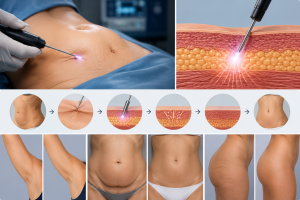
The operation is carried out through small incisions placed in locations selected according to the treatment area.
A specialised fluid may be introduced into the tissues before fat removal. This can assist with the procedure and help manage bleeding and discomfort.
A thin surgical instrument called a cannula is inserted through the small incisions.
The cannula is moved within the fatty layer, and selected fat is removed using controlled suction.
The surgeon works across different directions and depths to create a smoother transition rather than concentrating removal in a single point.
How much tissue is removed depends on anatomy, safety considerations and the intended contour.
The procedure may be performed under different forms of anaesthesia depending on the size and number of treatment areas.
Larger or multiple-area procedures generally require more extensive anaesthetic and postoperative planning.
Once the planned contour has been achieved, the small access incisions are closed or managed according to the surgical technique.
A compression garment is commonly applied after treatment.
Liposuction surgery: Recovery
Recovery after Liposuction surgery includes swelling, bruising, tenderness and temporary firmness in the treated areas. These effects are expected during the early healing period and gradually decrease.
The final body contour should not be judged during the first days.
Swelling can initially make a treated area appear similar in size to, or occasionally larger than, it looked before the procedure.
Compression garments may be recommended to provide support and help manage swelling.
The garment should be worn according to the instructions provided by Dr. Ömer Parıldar. Excessively tight compression is not a method of producing a stronger result and may create unnecessary discomfort.
Gentle walking is generally encouraged when medically appropriate. Movement supports circulation and helps reduce the problems associated with remaining inactive for long periods.
More demanding activity must return gradually.
The extent of surgery influences the recovery period. Treating one relatively small area is different from addressing several body regions during the same operation.
Follow-up appointments allow swelling, incision sites and body contour to be assessed as healing progresses.
Swelling Can Take Time to Settle
One of the most important aspects of recovery is patience with swelling.
The body responds to surgical treatment by retaining fluid and creating temporary inflammation within the tissues.
A substantial portion of swelling improves during the first weeks, but residual swelling can persist considerably longer.
Different parts of the body can also settle at different speeds.
The lower abdomen, for example, may retain swelling differently from the waist or arms.
Some temporary unevenness or firmness can occur while tissues are recovering.
This does not automatically indicate the final contour.
Patients should follow their scheduled examinations rather than repeatedly judging the result during the early stages.
The appearance becomes easier to assess as swelling resolves and the skin adapts to the underlying tissues.
When Can You Return to Work?
Return to work depends on how many areas were treated and what the job requires physically.
Someone working at a computer may be able to return sooner than a person performing heavy physical labour.
However, even desk-based work can include commuting, prolonged sitting and carrying equipment.
These factors should be discussed before surgery.
If the treatment involves the abdomen or thighs, long periods of sitting may initially feel uncomfortable.
For patients whose occupation requires lifting, bending or continuous movement, more recovery time may be needed.
Planning some flexibility is useful.
A patient who feels well after several days may still have significant internal swelling and healing underway.
Returning to normal responsibilities should therefore follow the treatment team’s recommendations rather than pain level alone.
Exercise After Body Contouring
Physical activity usually returns in stages.
Gentle walking is introduced before more intense exercise.
Running, resistance training and high-impact activities require greater recovery.
The specific area treated matters as well.
A patient who has undergone abdominal contouring may need different guidance from someone treated beneath the chin.
If several areas were addressed during the same operation, activity restrictions may be based on the most demanding treatment area.
Patients who exercise regularly sometimes worry about losing fitness during recovery.
A short interruption in intense training is generally preferable to placing unnecessary strain on healing tissues.
Ask Dr. Ömer Parıldar about the specific activities you perform, including weight training, cycling, running, swimming or structured fitness classes.
A gradual return allows the body to adapt safely.
Liposuction surgery: Results and Expectations
Liposuction surgery permanently removes the fat cells that are extracted during the procedure. However, this does not mean that future weight gain is impossible.
Remaining fat cells elsewhere in the body can enlarge if calorie intake consistently exceeds energy requirements.
For this reason, maintaining a relatively stable weight is important for preserving the contour.
The operation does not stop ageing either.
Skin naturally loses elasticity over time, and the treated area can continue changing with age.
The best candidates therefore view surgery as contour refinement rather than a permanent replacement for healthy habits.
Results also depend on the starting anatomy.
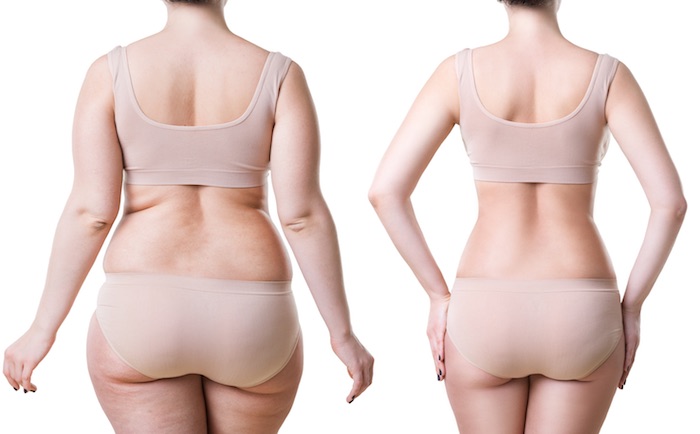
Someone with good skin elasticity and a clearly defined fatty deposit may experience a different degree of contour change from a patient with significant skin looseness.
Perfect symmetry cannot be guaranteed.
The human body naturally has small differences between its two sides.
The objective is a smoother and more proportionate appearance rather than mathematical perfection.
Can Liposuction Tighten Loose Skin?
This is one of the most important questions for patients considering treatment.
Fat removal can reduce the volume beneath the skin, but it does not physically remove substantial loose skin.
Patients with strong elasticity may experience some natural contraction as swelling resolves.
However, someone with significant skin laxity may notice that looseness remains after the fat has been removed.
In certain cases, it can become more apparent because the tissue underneath is now smaller.
This situation is common after major weight loss or pregnancy.
Depending on the location, procedures such as abdominal skin removal, arm lifting or thigh lifting may be more appropriate.
Dr. Ömer Parıldar can discuss whether the skin quality is likely to support fat removal alone or whether another contouring approach deserves consideration.
What About Cellulite?
Liposuction is not primarily a treatment for cellulite.
Cellulite is influenced by the structure of connective tissue beneath the skin, not simply by the amount of fat present.
Removing fatty tissue may change the way an area looks, but it cannot reliably eliminate the dimpling associated with cellulite.
In some patients, surface irregularities can remain unchanged.
The possibility of unevenness should therefore be discussed before surgery, particularly in areas where cellulite is already prominent.
The purpose of treatment is to reduce selected fatty deposits and reshape contours rather than promise completely smooth skin.
Realistic expectations are particularly important when skin texture is a major concern.
Potential Risks and Complications
All surgery involves risk.
Possible complications include bleeding, infection, fluid accumulation and delayed healing at the small incision sites.
Temporary numbness or altered sensation can occur in treated areas.
Contour irregularities are another consideration. Areas may appear uneven if tissues heal differently or if the skin does not adapt uniformly.
Seroma, which refers to a collection of fluid beneath the skin, can sometimes require additional treatment.
Skin colour changes or prolonged swelling can also occur.
More serious risks include blood clots and complications related to anaesthesia.
Fat embolism is a rare but serious complication in which fat enters the circulation.
The risk profile depends partly on the extent of the planned treatment and the patient’s overall health.
Patients should understand which symptoms require immediate medical attention.
Sudden difficulty breathing, chest pain, collapse or other severe symptoms after surgery require emergency medical care.
Increasing redness, fever, concerning wound discharge or rapidly worsening pain should also be assessed.
The Importance of Weight Stability
Liposuction surgery produces the most predictable contour when body weight is reasonably stable.
The procedure should not be used as a repeated response to ongoing weight fluctuation.
Significant weight gain after treatment can change body proportions again.
Likewise, substantial future weight loss may create skin laxity in an area that was previously treated.
Patients who are currently pursuing major weight reduction may therefore be advised to reach a more stable phase before final contouring decisions are made.
This does not prevent you from requesting a consultation earlier.
A discussion with Dr. Ömer Parıldar can help determine whether your current stage is suitable or whether waiting may produce a more predictable plan.
Can Several Areas Be Treated Together?
Several regions can sometimes be treated during one operation, depending on the total extent of surgery and the patient’s medical condition.
For example, the abdomen and waist may be assessed together because they influence the same torso contour.
However, more treatment is not automatically better.
The amount of tissue removed, operating time, anaesthetic requirements and recovery demands all increase as surgery becomes more extensive.
Safety sets limits on how much should be performed during a single session.
For this reason, very broad treatment plans may need to be divided into stages.
Dr. Ömer Parıldar can explain which areas make sense to address together and which may be better planned separately.
A staged approach can sometimes allow more controlled treatment and a more manageable recovery.
Planning Treatment in Istanbul
Patients considering treatment in Istanbul should allow enough time for consultation, the procedure and postoperative examinations.
If you are travelling from another city or country, mention this when arranging your appointment with Dr. Ömer Parıldar.
Do not organise the trip around surgery alone.
The early recovery period may involve swelling, compression garments and limitations on carrying heavy luggage.
Long-distance travel shortly after surgery also deserves careful planning because recent surgery and prolonged immobility can increase the risk of blood clots.
Your return date should therefore be discussed as part of the treatment plan.
Travelling with someone who can assist with transportation and luggage may make the first days easier.
Before returning home, confirm how follow-up will continue and whom to contact if a concern develops.
How Is the Cost Determined?
Treatment cost depends on the number and size of the areas being addressed, the complexity of the procedure and the anaesthetic and hospital requirements.
Treating a small localised area is different from contouring several large regions.
The total may also include medical assessments, postoperative garments and scheduled follow-up care.
For this reason, a meaningful quotation should follow an individual examination.
During consultation with Dr. Ömer Parıldar, ask which areas are included in the proposed plan and whether any additional treatments are being discussed separately.
The clinical plan should be clear before financial comparisons are made.
Choosing the greatest possible number of treated areas for the lowest advertised price is not an appropriate way to determine how much surgery should be performed.
Questions to Ask Before Surgery
Ask whether your concern is primarily caused by removable fat or whether loose skin contributes significantly.
Find out which areas are proposed for treatment and why.
Ask how the neighbouring contours will be considered so that the result does not appear isolated.
Discuss anaesthesia and the expected duration of the procedure.
Ask whether a compression garment will be required and how long it is expected to be worn.
Find out when you can return to work, driving and your usual exercise routine.
If you have previously undergone abdominal or body contouring surgery, mention this clearly.
Ask what degree of swelling is expected and when the result can be assessed more reliably.
Most importantly, discuss what surgery can realistically change and what it cannot.
A consultation should leave you with a clear understanding of the proposed contour rather than simply a promise that fat will be removed.
Dr. Ömer Parıldar
For patients considering body contouring, Dr. Ömer Parıldar assesses fat distribution, skin elasticity, body proportions, health history and personal expectations before recommending a surgical plan.
You do not need to decide in advance how many areas should be treated.
Begin by identifying the parts of your body that feel disproportionate and explaining what kind of change you would like to see.
An individual consultation provides the opportunity to distinguish removable fatty tissue from loose skin or other anatomical factors and to discuss what treatment may realistically achieve.
The aim is a considered plan based on your own body structure rather than a standard approach applied to every patient.
Contact Dr. Ömer Parıldar
Telephone: +90 546 198 81 35
WhatsApp: +90 546 198 81 35
Email: info@dromerparildar.com
Address:
Basınköy, Florya Cd. No:15-17
34153 Bakırköy / İstanbul
Contact Dr. Ömer Parıldar to arrange an individual consultation and discuss a body contouring plan developed around your anatomy, treatment priorities and realistic expectations.
İlgili bağlantı: https://www.dromerparildar.com/iletisim/
İlgili bağlantı: https://www.instagram.com/dromerparildar/
Articoli correlati
Scopri altri approfondimenti dedicati ad argomenti simili.