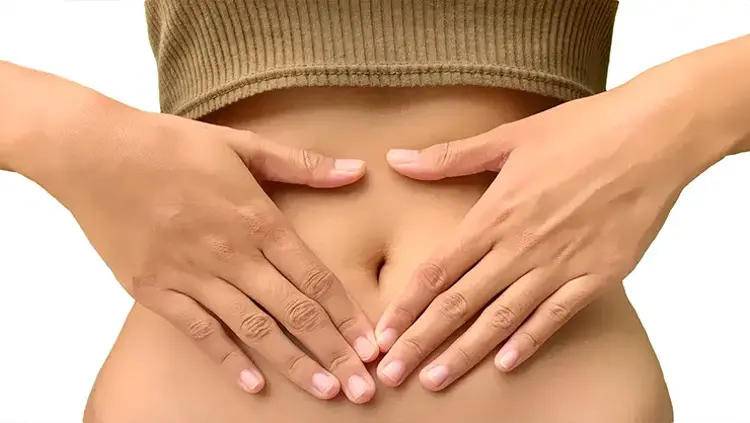
Mini tummy tuck
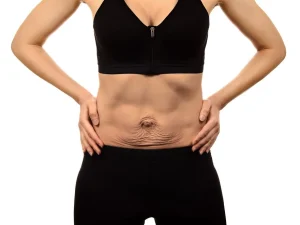
Mini tummy tuck can be considered with Dr. Ömer Parıldar when the main concern is loose skin or a small amount of persistent tissue concentrated below the navel. Some patients have reached a stable weight and are generally satisfied with the upper abdomen but remain troubled by a lower abdominal fold, skin laxity after pregnancy or a contour that does not improve sufficiently with exercise. In appropriately selected patients, a limited abdominal procedure may address this specific region without requiring the full extent of a traditional abdominoplasty.
The term “mini” can sometimes create the impression that the operation is minor or suitable for anyone who wants a shorter recovery. In reality, it describes the limited anatomical area being treated rather than eliminating the need for careful surgical planning. The procedure still involves an incision, tissue removal, anaesthesia and a recovery period.
The most important question is therefore not whether the smaller operation sounds preferable, but whether it actually matches the patient’s anatomy.
Dr. Ömer Parıldar evaluates the location of loose skin, the amount of subcutaneous fat, previous scars, abdominal wall condition and personal expectations before determining whether a limited approach is appropriate.
What Makes a Limited Abdominal Procedure Different?
A full abdominoplasty generally addresses a broader area of abdominal skin and can involve significant repositioning of tissues above and below the navel.
A more limited procedure focuses primarily on the lower abdomen.
This usually means that the loose skin is concentrated beneath the navel and that the upper abdominal skin remains relatively firm.
The navel generally does not require the same degree of repositioning that may be necessary during a full tummy tuck.
Because the treated area is smaller, the incision can also be shorter in selected patients.
However, the exact length depends on the amount of skin that needs to be removed.
A procedure should not be forced into an excessively short scar if doing so would leave unwanted folds at the sides.
The surgeon must balance scar length with the amount of correction required.
This is one reason why examination is essential before deciding which technique is suitable.
Mini tummy tuck: Who May Be Suitable?
Mini tummy tuck is most often considered for patients whose skin laxity is mainly limited to the region below the navel.
The patient may have a small lower abdominal pouch despite having a relatively flat upper abdomen.
There may also be loose skin following pregnancy or moderate weight change.
Good skin quality above the navel is particularly important because a limited procedure does not extensively reposition the upper abdominal skin.
A relatively stable body weight is also preferred.
If substantial further weight loss is expected, the abdominal skin may continue changing and create additional laxity.
Likewise, significant future weight gain can affect the contour achieved through surgery.
Patients should be in suitable general health and have realistic expectations.
Medical conditions affecting wound healing, circulation or anaesthetic safety need to be discussed during consultation.
Smoking and nicotine use are particularly relevant because they can interfere with tissue blood supply and healing.
Dr. Ömer Parıldar also considers future pregnancy plans.
Pregnancy after abdominal surgery is possible, but it can stretch the tissues again and alter the result.
Patients planning pregnancy in the near future may decide that waiting is more appropriate.
How Do You Know Whether the Upper Abdomen Needs Treatment?
One of the main distinctions between limited and full abdominoplasty is the condition of the skin above the navel.
If the upper abdomen is already relatively firm and the main problem sits low on the abdomen, a smaller procedure may be appropriate.
If loose skin extends substantially above the navel, treating only the lower abdomen may not create the desired result.
The same applies when the entire abdominal skin envelope has become loose after major weight loss.
A patient may initially request a limited operation because of the shorter scar or potentially easier recovery, but the examination may show that the concern extends beyond the area that can be corrected effectively.
Dr. Ömer Parıldar assesses the abdomen while the patient is standing because gravity influences where the skin folds and how the tissues distribute.
The upper abdomen, lower abdomen, flanks and natural waistline are considered together.
A treatment plan should reflect what is actually present rather than what the procedure is called.
Mini tummy tuck: What Can It Correct?
Mini tummy tuck may reduce selected loose skin beneath the navel and improve the contour of the lower abdomen.
It can be suitable for a small overhang or skin fold that persists despite stable weight.
In some patients, a limited amount of fatty tissue may also be present in the same region.
Depending on the anatomy, liposuction can sometimes be discussed as part of the overall contouring plan.
Skin removal and fat removal should not be confused.
Liposuction targets subcutaneous fat.
The abdominal procedure removes selected loose skin and reshapes the lower abdominal envelope.
The operation does not remove visceral fat located deeper inside the abdominal cavity.
If abdominal projection is primarily caused by deeper fat, a limited skin procedure will not create the same change as it would in a patient whose concern is predominantly loose skin.
The operation also does not automatically correct every stretch mark.
Marks located within skin that is removed may disappear with that tissue.
Stretch marks higher on the abdomen remain.
Patients should therefore understand which features are likely to change and which are not directly addressed.
Can Lower Abdominal Muscles Be Tightened?
Abdominal wall condition varies between patients.
Some individuals have relatively firm abdominal muscles and primarily require treatment of skin excess.
Others have a degree of muscle separation or tissue laxity.
A limited lower abdominal repair may sometimes be discussed when the relevant weakness is concentrated in the treated area.
However, a mini procedure does not provide the same access to the entire abdominal wall as a full abdominoplasty.
If significant muscle separation extends high above the navel, a broader surgical approach may be more appropriate.
This is particularly relevant after pregnancy.
A patient may see a lower abdominal bulge and assume it is caused entirely by fat or skin when part of the contour actually comes from abdominal wall separation.
Dr. Ömer Parıldar can assess whether muscle support contributes to the appearance and explain whether the proposed procedure can address it.
The surgical plan should not promise a flat abdomen if an important anatomical factor falls outside the area being treated.
How Is the Procedure Performed?
The operation is generally performed under anaesthesia in an appropriately equipped surgical environment.
Before surgery, the lower abdominal tissues are marked while the patient is standing.
The incision is typically placed low on the abdomen.
Its exact position and length depend on the skin excess and the patient’s existing anatomy.
A previous caesarean-section scar may sometimes be incorporated into the new surgical plan when appropriate.
The excess lower abdominal skin is then released and removed according to the planned correction.
The amount of tissue mobilisation is generally less extensive than in a full abdominoplasty.
Where indicated, selected fatty areas may also be treated.
If limited abdominal wall tightening is part of the plan, this can be performed according to the anatomy and surgical approach.
The remaining tissues are repositioned and the incision is closed carefully.
Dressings are applied at the end of surgery.
A compression garment may be recommended during the postoperative period.
Temporary drains may be used in some cases, although their use depends on the surgical technique and treatment extent.
Mini tummy tuck: Scar Planning
Mini tummy tuck generally creates a horizontal scar across the lower abdomen.
The scar is often shorter than the incision required for a full abdominoplasty, but its length should not be promised before the amount of skin requiring removal is assessed.
Scar placement is planned as low as reasonably possible while allowing appropriate tissue removal.
The patient’s underwear and usual clothing can be considered when discussing likely scar position.
The scar will initially be more noticeable.
It may appear pink, red, firm or slightly raised during early healing.
Scar maturation takes time.
Many scars gradually soften and become less prominent over the following months.
However, a scar does not disappear completely.
Individual healing varies according to genetics, skin characteristics, wound tension and other factors.
Smoking can interfere with wound healing and increase the risk of problems.
Patients with a history of thick or raised scars should mention this during consultation.
The appropriate decision is based on whether the expected improvement in lower abdominal contour is worth accepting the permanent scar required for the correction.
Mini Procedure or Full Tummy Tuck?
This is one of the most important questions during consultation.
A smaller operation should not be chosen solely because it sounds less invasive.
The decision depends on where the loose tissue is located.
If laxity is primarily below the navel, the limited approach may be appropriate.
If the skin above the navel is also substantially loose, a full abdominoplasty may produce a more complete correction.
The position of the navel also matters.
A full procedure commonly allows much greater repositioning of the abdominal skin and involves creating a new skin opening for the existing navel.
A limited procedure generally avoids this more extensive step.
Muscle separation also influences the decision.
Extensive abdominal wall changes may be more effectively addressed through a full approach.
The two operations are therefore not simply different sizes of the same treatment.
They address different anatomical patterns.
During consultation, Dr. Ömer Parıldar can explain what each option would change in your abdomen and, equally importantly, what would remain untreated.
Mini tummy tuck and Liposuction
Mini tummy tuck may be combined with liposuction in selected patients when localised fatty tissue contributes to the contour around the abdomen or waist.
The decision depends on the distribution of fat and the quality of the skin.
For example, a patient may have mild lower abdominal skin looseness together with fullness around the flanks.
Skin removal could address the lower fold, while carefully planned liposuction may refine neighbouring areas.
This does not mean that every patient should undergo both procedures.
Removing fat where it is not needed can create irregularities or affect the natural proportions of the torso.
The abdomen should be considered together with the waist and hips.
A very flat central abdomen can look unnatural if nearby areas retain substantially more volume.
Dr. Ömer Parıldar evaluates these relationships when determining whether additional fat removal has a meaningful role.
The goal should remain proportional contouring rather than maximum tissue removal.
How Is This Different From Liposuction Alone?
Liposuction and limited abdominoplasty treat different problems.
Liposuction removes fat beneath the skin.
It does not remove a hanging skin fold.
If the skin has strong elasticity, it may contract to some degree after fat reduction.
When there is already visible skin excess, however, removing fat alone may leave the skin unchanged or make its looseness more apparent.
The reverse is also true.
Removing a small amount of loose skin may not solve a contour caused primarily by significant fatty deposits.
This is why the physical examination needs to distinguish skin from fat.
Patients sometimes request liposuction because they want to avoid a longer scar.
Avoiding a scar can be understandable, but choosing a procedure that cannot adequately address the concern may not produce the desired outcome.
The most appropriate technique depends on the tissue problem, not simply on the incision length.
Preparing for Surgery
Preparation begins with a complete medical history.
Tell Dr. Ömer Parıldar about previous abdominal surgery, pregnancies, medication, allergies and existing health conditions.
Previous caesarean sections and other abdominal scars should be discussed because they may influence planning.
Medication and supplements must also be reviewed.
Do not stop prescribed medication independently.
If a medicine needs to be altered before surgery, the change should be made according to appropriate medical advice.
Smoking and nicotine products need to be disclosed honestly.
Nutrition is also important for healing.
Patients should avoid extreme dieting immediately before surgery.
A stable nutritional routine supports recovery more effectively than attempting rapid weight reduction before the procedure.
Prepare the home environment as well.
Arrange help with childcare, shopping and tasks that require lifting.
Place frequently used objects where they can be reached easily without repeated bending.
Comfortable clothing that does not place pressure directly over the incision can make the early recovery period easier.
What Is Early Recovery Like?
Swelling, bruising and lower abdominal tightness are common during early recovery.
The incision may feel firm or sensitive.
A compression garment can be recommended to support the area and help manage swelling.
It should be worn according to the instructions provided by the surgical team.
Patients are generally encouraged to begin gentle walking when medically appropriate.
This supports circulation and helps reduce the problems associated with prolonged inactivity.
At the same time, strenuous exercise, heavy lifting and movements that place excessive tension on the lower abdomen should be avoided.
The exact restrictions depend on what was performed.
If abdominal wall repair was included, certain activities may remain restricted for longer.
Follow-up appointments with Dr. Ömer Parıldar allow the incision, swelling and overall contour to be monitored.
Patients should use these reviews to discuss both medical concerns and practical questions about daily activities.
Returning to Work
Time away from work varies according to the individual procedure and occupation.
A desk-based job may allow an earlier return than work involving lifting or prolonged physical activity.
However, office work can still involve commuting, extended sitting and carrying bags.
These factors should be considered.
Some patients may be able to return gradually, particularly when remote work or shorter working days are possible.
A physically demanding occupation may require longer restrictions.
Pain level alone should not determine when full activity resumes.
Internal healing continues even after the incision begins to feel more comfortable.
Discuss your actual working routine with Dr. Ömer Parıldar so that recovery advice reflects your daily responsibilities.
Exercise After Lower Abdominal Surgery
Exercise should return gradually.
Gentle walking generally resumes before structured training.
Running, heavy resistance exercise and direct abdominal training place considerably greater stress on the healing tissues.
Patients who regularly train at a gym should describe their exercise routine before surgery.
Weightlifting, cycling, swimming and yoga each involve different movements.
If muscle repair has been performed, core exercises require particular attention.
Do not use another patient’s recovery timetable as your own.
The extent of surgery and personal healing response vary.
A staged return to exercise gives the tissues time to recover while allowing the patient to rebuild normal activity safely.
What Are the Possible Risks?
All surgical procedures carry potential complications.
Possible concerns include bleeding, infection and delayed wound healing.
Fluid can accumulate beneath the abdominal tissues, creating a seroma that may require assessment or treatment.
Changes in skin sensation can occur.
A temporary numb area around the lower abdomen is not uncommon after tissue has been lifted or removed.
Sensation may improve gradually, although some changes can persist.
Scar problems are also possible.
The scar may become wider, darker or more prominent than anticipated.
Small differences between the two sides of the abdomen can remain.
Contour irregularities may also occur.
Problems involving blood supply to the skin or fatty tissue are possible, particularly when healing conditions are poor.
Blood clots and anaesthetic complications are important general surgical risks.
Dr. Ömer Parıldar evaluates the patient’s health and proposed operation when discussing individual risk.
When Should Medical Assessment Be Requested?
The postoperative instructions should explain which symptoms are expected and which require medical review.
Swelling and moderate discomfort are normal early changes.
However, rapidly increasing pain, spreading redness, significant wound discharge or fever should be reported.
Sudden enlargement or marked asymmetry of the surgical area also deserves assessment.
New pain and swelling in one leg can be associated with a blood clot and requires urgent medical attention.
Sudden chest pain, severe shortness of breath, fainting or significant breathing difficulty requires emergency care.
Patients should not wait for a routine follow-up appointment when serious symptoms occur.
Knowing whom to contact and where to obtain urgent treatment should be part of the planning before surgery.
How Does the Result Develop?
The lower abdominal contour changes immediately when excess tissue is removed, but early swelling can obscure the result.
The abdomen may initially look firm, swollen or uneven.
This does not represent the final appearance.
As swelling gradually decreases, the new contour becomes easier to evaluate.
The scar also changes over a much longer period.
Patients should avoid expecting the final scar appearance during the first few months.
Maintaining a relatively stable weight can help preserve the result.
Large future weight gain can stretch the tissues again.
Substantial weight loss can create additional skin laxity.
Pregnancy can also alter the abdomen after surgery.
A well-maintained result therefore depends partly on long-term changes outside the operation itself.
Mini tummy tuck in Istanbul
Patients considering Mini tummy tuck in Istanbul with Dr. Ömer Parıldar should organise treatment around medical evaluation, surgery and appropriate postoperative follow-up.
If you are travelling from another city or country, mention this when arranging your consultation.
The expected length of stay should be discussed before flights or other travel arrangements are finalised.
Even a limited abdominal operation requires recovery.
You may temporarily have restrictions on lifting luggage, bending and strenuous walking.
Travelling with someone who can provide assistance can make the early period more manageable.
Long-distance travel soon after surgery also requires careful planning because recent surgery and prolonged immobility can contribute to blood-clot risk.
Before leaving Istanbul, understand when follow-up examinations are required and how ongoing care will continue after you return home.
A well-organised treatment journey should include aftercare rather than ending when the operation is completed.
What Determines the Cost?
The cost depends on the individual treatment plan.
A limited lower abdominal procedure can differ in complexity according to the amount of skin being removed, whether muscle repair is involved and whether another contouring technique is included.
Anaesthesia and hospital requirements also contribute to the overall plan.
Medical tests, compression garments and follow-up appointments may form part of the treatment structure.
If liposuction is being considered at the same time, ask whether it is included within the same quotation or listed separately.
A meaningful cost discussion should follow examination.
It is difficult to provide an accurate treatment estimate before determining whether a patient truly needs a limited procedure or a more extensive operation.
The surgical plan should be based first on anatomy and safety.
Questions to Ask During Consultation
Ask whether the loose skin is genuinely limited to the lower abdomen.
Find out whether the upper abdominal skin is suitable for a limited approach.
Ask where the incision is expected to sit and approximately how far it may extend.
Discuss whether the navel will be affected.
Ask if abdominal wall tightening is required.
Find out whether liposuction forms part of the proposed plan.
Ask what improvement is realistically expected and what areas would remain unchanged.
Discuss recovery restrictions, work, driving and exercise.
If future pregnancy is relevant, include this in the conversation.
You should also ask what circumstances could lead Dr. Ömer Parıldar to recommend a full tummy tuck instead.
Understanding why one procedure fits your anatomy better than another is an important part of making an informed decision.
Dr. Ömer Parıldar
A limited abdominal procedure can be appropriate for carefully selected patients, but the word “mini” should never replace individual assessment. Dr. Ömer Parıldar evaluates the lower and upper abdominal skin, fatty tissue, muscle support, previous scars and body proportions before discussing the appropriate surgical approach.
The aim is not to choose the smallest operation by default.
It is to select a procedure capable of addressing the actual concern without performing more extensive surgery than necessary.
You do not need to know beforehand whether your anatomy is suitable for a limited or full approach.
Begin by explaining where the abdominal looseness is located, what changes you have noticed after pregnancy or weight variation and what you hope surgery will improve.
A detailed consultation provides the opportunity to understand the expected scar, recovery period, possible risks and realistic degree of correction before making your decision.
Contact Dr. Ömer Parıldar
Telephone: +90 546 198 81 35
WhatsApp: +90 546 198 81 35
Email: info@dromerparildar.com
Address:
Basınköy, Florya Cd. No:15-17
34153 Bakırköy / İstanbul
Contact Dr. Ömer Parıldar to arrange an individual consultation and determine whether a limited lower abdominal procedure is suitable for your anatomy and treatment expectations.
İlgili bağlantı: https://www.dromerparildar.com/iletisim/
İlgili bağlantı: https://www.instagram.com/dromerparildar/
Articoli correlati
Scopri altri approfondimenti dedicati ad argomenti simili.