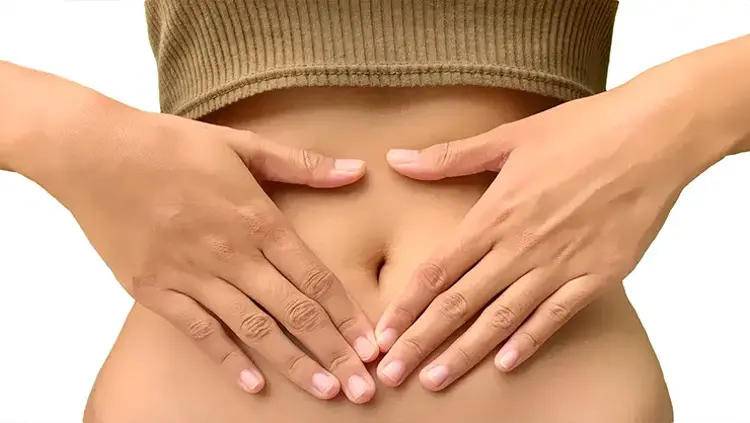
Mommy makeover surgery
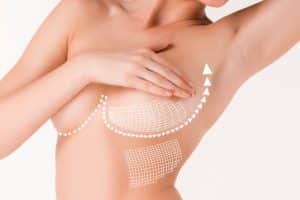
Mommy makeover surgery can be considered with Dr. Ömer Parıldar when pregnancy, childbirth, breastfeeding or subsequent weight changes have altered several areas of the body and a patient would like to discuss more than one concern within a coordinated treatment plan. The term usually refers to a personalised combination of procedures rather than one standard operation. For one patient, the main concerns may involve loose abdominal skin and loss of breast volume. Another may be more concerned about breast sagging, localised abdominal fat and changes around the waist.
Pregnancy can affect the skin, breast tissue, abdominal wall and fat distribution at the same time. After childbirth and breastfeeding, some of these changes improve naturally, while others may remain despite exercise, weight stability and time. Surgical planning therefore begins by identifying which changes are actually present rather than assuming that every patient needs the same collection of procedures.
Dr. Ömer Parıldar evaluates the breasts, abdomen, skin quality, abdominal wall, localised fatty tissue, previous surgical scars and general health before discussing whether procedures should be combined or performed separately.
The objective is not to recreate the body exactly as it looked before pregnancy. The purpose is to identify specific concerns and discuss changes that may be realistically achievable within an appropriate surgical and recovery plan.
What Changes Can Pregnancy Leave Behind?
Pregnancy produces substantial changes in the abdomen.
As the uterus expands, abdominal skin stretches and the underlying muscles may separate. After childbirth, the abdomen becomes smaller again, but the stretched tissues do not always completely return to their previous state.
Some women develop loose lower abdominal skin.
Others experience laxity above and below the navel.
The abdominal muscles can also remain separated, creating a degree of projection even when body weight has returned to a previous level.
Pregnancy may also change fat distribution. Localised fullness can remain around the abdomen, waist or flanks despite regular exercise.
The breasts undergo a different sequence of changes.
Breast volume often increases during pregnancy and breastfeeding and later decreases. When the volume reduces, stretched skin can leave the breasts lower or less full than before.
Some patients primarily lose upper-breast fullness.
Others develop more significant breast sagging and changes in nipple position.
Breast size can also become more asymmetric after pregnancy or breastfeeding.
These differences explain why combined body contouring needs individual planning. One patient may benefit from abdominal skin removal but need no breast surgery. Another may be satisfied with her abdomen yet wish to address breast position.
Mommy makeover surgery: Which Procedures Can Be Considered?
Mommy makeover surgery can include different procedures depending on the patient’s anatomy and concerns. It does not automatically mean that all possible breast and body operations are performed together.
Abdominoplasty, commonly called a tummy tuck, may be considered when loose abdominal skin remains after pregnancy. The operation removes selected excess skin and can address abdominal wall changes when appropriate.
A breast lift may be discussed when the breasts have descended and the main issue is position rather than lack of volume.
Breast augmentation may be considered when the patient wants to restore or increase volume.
Some patients have both volume loss and sagging. In these cases, lifting and augmentation may be discussed together.
Breast reduction may be appropriate when the breasts remain excessively large or heavy after pregnancy and cause discomfort or disproportion.
Liposuction can be used for selected localised fatty areas when the skin quality is suitable. It may be considered around the waist, flanks or other body regions depending on the individual anatomy.
The presence of several concerns does not mean that every procedure should be performed during a single operation. Dr. Ömer Parıldar considers the total surgical extent, expected operating time, medical history and recovery requirements before discussing whether combination surgery is appropriate.
A Tummy Tuck Is Not the Same as Liposuction
Patients often use the terms tummy tuck and liposuction interchangeably, but they address different tissues.
Liposuction removes selected subcutaneous fat through small incisions.
It does not remove substantial loose skin.
Abdominoplasty removes excess abdominal skin and can also address selected changes in abdominal wall support.
If a patient has relatively firm skin and mainly localised fatty tissue, liposuction may be more relevant.
If there is an overhanging skin fold or significant abdominal laxity, fat removal alone may not provide the intended change.
Some patients have both excess skin and localised fat.
In these cases, the two techniques may be combined as part of a carefully planned abdominal contouring procedure.
The distinction is particularly important after pregnancy because abdominal fullness can also be influenced by muscle separation.
Removing fat cannot repair separated muscles.
Likewise, strengthening the abdominal muscles through exercise cannot remove a substantial fold of redundant skin.
Dr. Ömer Parıldar evaluates these different components before recommending a treatment plan.
What Happens to the Abdominal Muscles?
During pregnancy, the abdominal wall expands to accommodate the growing uterus.
The rectus muscles can separate along the midline, a condition commonly referred to as diastasis recti.
Some degree of separation may improve after pregnancy, while a more persistent change can remain.
Not every patient undergoing abdominal surgery requires muscle repair.
The abdominal wall needs to be assessed individually.
When significant separation contributes to the contour and repair is considered appropriate, it can be addressed during abdominoplasty.
This internal repair is different from removing skin.
Patients should therefore ask whether their proposed operation includes abdominal wall tightening and why it has been recommended.
If muscle repair is performed, it can also influence the recovery period because the internal tissues require time to heal.
Heavy abdominal exercise and lifting may remain restricted for longer than they would after limited skin treatment alone.
Breast Changes Require Their Own Assessment
Breast surgery after pregnancy should be planned according to volume, position, skin quality and the patient’s preferences.
A patient who likes her current breast size but dislikes sagging may be better suited to a lift without implants.
Another patient may have relatively little sagging but noticeable volume loss and may want to discuss augmentation.
When both problems are present, a combination of lifting and augmentation may be considered.
Breast reduction is another possibility for women whose breasts remain larger and heavier than desired.
One of the most important parts of consultation is distinguishing between a desire for more volume and a desire for a higher breast position.
A larger implant does not automatically correct significant sagging.
Similarly, a breast lift reshapes existing tissue but does not create the same volume increase as an implant.
Dr. Ömer Parıldar assesses the position of the nipple in relation to the breast fold, the amount of natural tissue and the degree of skin excess before discussing which approach may suit the patient’s goals.
Mommy makeover surgery: When Is the Right Time?
Mommy makeover surgery should usually be considered after the body has had time to recover from pregnancy and after major pregnancy-related weight changes have stabilised.
There is no single date that applies to every patient.
Recovery after childbirth is individual, and breastfeeding can continue to affect breast size and tissue characteristics.
Breast surgery should generally not be planned while the breasts are still undergoing substantial breastfeeding-related changes.
Weight stability is also important.
If significant further weight loss is expected, the abdomen, breasts and other body areas may continue changing. Waiting until the weight is more stable can make surgical planning more predictable.
Future pregnancy plans also deserve careful thought.
Pregnancy after body contouring surgery is possible, but it can stretch the abdominal skin and muscles again and change breast volume and position.
A woman who is actively planning another pregnancy soon may therefore prefer to postpone elective surgery.
This is not because treatment becomes impossible later, but because another pregnancy can alter the result.
During consultation, Dr. Ömer Parıldar can discuss timing in relation to your current health, weight, breastfeeding history and future plans.
Can All Procedures Be Performed Together?
Combining procedures can reduce the number of separate recovery periods, but this does not mean that every desired operation should automatically be performed at once.
The total extent of surgery matters.
Operating time, blood loss, anaesthesia duration and the physical demands of recovery all increase as more procedures are combined.
A limited breast procedure combined with abdominal treatment may be appropriate for one patient.
A much larger plan involving extensive abdominal surgery, major breast reshaping and several large liposuction areas may be more suitable as staged operations.
General health is also important.
Medical conditions, previous surgical history, nutritional status and individual risk factors can influence whether combination surgery is appropriate.
Dr. Ömer Parıldar evaluates the entire plan rather than considering each procedure independently.
Sometimes a staged approach can provide a more manageable recovery and allow the patient to reconsider priorities after the first stage has healed.
Patients should not feel that every concern needs to be addressed during one anaesthetic simply because several changes occurred after pregnancy.
Mommy makeover surgery: Surgical Planning
Mommy makeover surgery requires planning across several body areas, and the relationship between those areas should be considered carefully.
For the abdomen, examination focuses on skin laxity, localised fat, previous scars and abdominal wall support.
For the breasts, volume, shape, nipple position, asymmetry and skin quality are evaluated.
Body proportions also matter.
For example, reducing abdominal fullness can make the waist appear more defined, which may change how breast volume looks in relation to the torso.
Similarly, changing breast volume can alter overall proportions even when the abdomen is not treated.
Previous caesarean-section scars or other surgical scars should be discussed because they may influence abdominal planning.
Any previous breast surgery should also be disclosed.
Clinical photographs and measurements can be useful during the planning process.
The goal is to develop one coherent surgical strategy rather than treating each body area without considering its relationship to the rest of the body.
How Are Scars Planned?
Combination body contouring involves scars, and these should be discussed before treatment rather than treated as a secondary issue.
A tummy tuck generally creates a horizontal lower abdominal scar.
A full abdominoplasty also commonly results in a scar around the navel.
The length of the lower scar depends on the amount of skin that needs to be removed.
Breast scars vary according to the procedure.
Breast augmentation may require a relatively short incision, often positioned around the breast fold depending on the technique.
A breast lift or reduction requires more extensive scars because skin needs to be removed and reshaped.
These may include a scar around the areola, a vertical scar beneath it and sometimes a horizontal scar within the breast fold.
Scars initially tend to be more visible.
They can appear pink, red, firm or darker before gradually maturing.
Complete disappearance should not be expected.
Scar quality is affected by genetics, skin type, wound tension, smoking, infection and individual healing.
A realistic decision involves considering whether the expected improvement is worth accepting the required scars.
Preparing for Combined Surgery
Preparation begins with a complete medical assessment.
Tell Dr. Ömer Parıldar about previous pregnancies, caesarean sections, breast operations, abdominal surgery and any previous problems with anaesthesia or wound healing.
All medication and supplements should be disclosed.
Do not stop prescribed medication independently before surgery.
If a treatment needs to be adjusted, the change should be coordinated appropriately.
Smoking and nicotine use are especially important because they can affect blood supply and wound healing.
Nutrition also matters.
Patients should approach surgery from a stable nutritional state rather than using extreme diets immediately beforehand.
Protein intake and general nutritional adequacy support tissue repair.
If substantial weight loss or previous bariatric surgery is part of the medical history, additional nutritional evaluation may sometimes be required.
Practical preparation is equally important.
A combined procedure can temporarily limit both arm movement and abdominal movement.
Arrange help with childcare, cooking, shopping and household tasks before surgery.
What Is the Early Recovery Period Like?
Recovery depends on the exact combination of procedures.
After abdominal surgery, patients commonly experience swelling, bruising and tightness.
Standing fully upright may initially feel uncomfortable.
Breast procedures can create additional chest tightness, swelling and restrictions on arm movement.
This means ordinary activities such as getting out of bed, dressing and preparing meals can require more effort than expected.
Compression garments may be recommended for the abdomen, and a supportive postoperative bra may be used after breast surgery.
These garments should be worn according to the instructions provided.
Temporary drains may be used after certain procedures.
If drains are part of the treatment plan, patients receive instructions about care and removal.
Gentle walking is generally encouraged when medically appropriate because movement supports circulation.
Heavy lifting, strenuous exercise and demanding household activities remain restricted.
The early objective is safe mobility, wound care and gradual recovery rather than immediate independence.
Organising Help at Home
Home support deserves serious planning.
Patients with young children need to consider who will manage lifting, bathing and carrying them during the early recovery period.
Even if a child is relatively small, repeated lifting can place pressure on both abdominal and breast incisions.
Shopping bags, laundry baskets and household cleaning can create similar strain.
Arrange these responsibilities before surgery.
If possible, prepare meals in advance or organise simple alternatives.
Keep frequently used items at a convenient height so that repeated bending and stretching are minimised.
Comfortable clothing that opens at the front may also be easier during the early period, particularly when breast surgery has been performed.
Patients who live alone should discuss this with the treatment team in advance.
The first days after extensive combination surgery are not the ideal time to discover that basic household tasks cannot be managed independently.
Returning to Work
The return-to-work timetable varies according to the surgical plan and occupation.
Patients undergoing both abdominal and breast surgery generally need to consider the restrictions associated with both areas.
Desk-based work may allow an earlier return than manual labour, but commuting and prolonged sitting can still be difficult.
A patient may feel comfortable enough to answer emails at home before being ready for a full working day outside the house.
Jobs involving lifting, reaching or physical activity usually require more time.
Discuss your actual responsibilities during consultation.
Flexible hours or remote working can make the transition easier when these options are available.
Avoid using a fixed date as proof that recovery is complete.
The external incisions can look much better while deeper tissues are still healing.
Exercise After Combination Surgery
Exercise should resume progressively.
Walking typically returns before structured training.
High-impact exercise, heavy resistance training and direct abdominal work require more healing time.
Breast surgery can also affect the timing of upper-body training.
Running creates repeated breast movement and places different demands on healing tissues from gentle walking.
Weightlifting can involve both the chest and core even when the exercise is not specifically designed for those areas.
Patients should ask about the activities they actually perform.
Swimming requires the incisions to be adequately healed before entering water.
Yoga can involve significant abdominal stretching and should not automatically be considered gentle simply because it is low impact.
The purpose of the recovery plan is to return gradually without placing unnecessary tension on healing tissues.
Mommy makeover surgery: Risks and Recovery Considerations
Mommy makeover surgery involves the risks associated with each individual procedure as well as the considerations created by combining operations.
Possible complications include bleeding, infection, fluid accumulation and delayed wound healing.
Changes in skin or nipple sensation can occur depending on the procedures performed.
Scarring can become more prominent than anticipated.
Abdominal surgery can be associated with seroma formation and temporary numbness around the lower abdomen.
Breast procedures can involve asymmetry, changes in nipple sensation and tissue-healing problems.
If implants are used, implant-related risks such as capsular contracture, displacement, rippling or future rupture also need to be discussed.
Blood clots are an important consideration after surgery, particularly when treatment is extensive and mobility is reduced.
Anaesthetic complications are also possible.
Combination surgery should therefore be planned according to what can be performed appropriately for the individual patient rather than according to the maximum number of procedures that can technically fit into one operation.
Symptoms That Need Medical Attention
Patients should receive detailed postoperative instructions before discharge.
Some swelling, bruising and discomfort are expected.
Increasing redness, fever, unusual wound discharge or rapidly worsening pain should be reported.
Sudden enlargement of one breast or a rapidly expanding area of abdominal swelling also requires prompt assessment.
New pain or swelling in one leg can be associated with a blood clot and should receive urgent medical evaluation.
Sudden shortness of breath, chest pain, fainting or severe breathing difficulty requires emergency medical care.
Do not rely solely on photographs or messages when symptoms suggest that an in-person examination is necessary.
Patients travelling for treatment should understand where urgent medical help can be obtained after leaving the clinic.
Aftercare should be established as part of the surgical plan.
How Will the Results Develop?
The body begins changing immediately after surgery, but the early appearance is affected by swelling.
Breasts can initially appear higher or firmer.
The abdomen can look swollen despite skin removal.
Bruising and tissue firmness can also temporarily affect contour.
These changes gradually settle.
Scars mature much more slowly and can continue changing for a year or longer.
The breast and abdominal areas may also recover at different speeds.
This means one part of the body can look more settled while another remains swollen.
Long-term results are influenced by ageing, weight changes and future pregnancy.
Maintaining a relatively stable weight can help preserve the contour.
The operation cannot stop the normal ageing process.
The best way to evaluate the result is against the concerns identified before surgery rather than against a completely different person’s photographs.
Can Treatment Be Performed After Major Weight Loss?
Yes, but patients who have experienced substantial weight loss can present with a different tissue pattern from patients whose changes are mainly related to pregnancy.
Loose skin may extend around the abdomen and flanks rather than remaining concentrated in the front.
Breast volume may be significantly reduced, and arm or thigh skin may also be affected.
In these circumstances, Mommy makeover surgery may not be the most useful way to think about the entire treatment plan. Broader post-weight-loss body contouring or staged procedures may need consideration.
Nutritional status can also be particularly important after bariatric surgery.
Protein, vitamins and minerals contribute to wound healing, and deficiencies should be addressed before elective procedures where necessary.
Dr. Ömer Parıldar assesses whether the concerns fit a pregnancy-related combination plan or whether another body-contouring strategy is more appropriate.
Planning Surgery in Istanbul
Patients travelling to Istanbul for combined surgery should allow enough time for consultation, treatment and postoperative examinations.
Do not plan the trip as though it were a short city break.
Recovery should determine the travel schedule.
If you are coming from another country or city, explain this when arranging the consultation.
Ask how long you should remain locally before returning home.
The early recovery period may involve restrictions on lifting luggage, walking long distances and performing strenuous activity.
Long-distance travel also deserves careful planning because recent surgery and prolonged immobility can increase the risk of blood clots.
Travelling with someone who can provide practical support is particularly useful after combination procedures.
Before leaving Istanbul, confirm how follow-up will continue and what steps should be taken if an in-person examination becomes necessary after returning home.
How Is the Cost Determined?
The cost depends on the exact combination of procedures.
A tummy tuck with breast lifting has a different surgical plan from an operation involving abdominal treatment, breast augmentation and liposuction.
Operating time, anaesthesia, hospital requirements and the complexity of each procedure contribute to the overall treatment.
Implants, when used, also form part of the plan.
Medical tests, postoperative garments and follow-up care may be included depending on the treatment structure.
A meaningful quotation should therefore follow individual assessment.
Ask which procedures are included and which are being discussed as optional additions.
You should also understand whether treatment is planned in one stage or several.
The financial discussion should follow the clinical plan rather than determining how much surgery is performed.
Questions to Ask During Consultation
Ask which areas are contributing most to your concerns.
Find out whether the abdominal issue is mainly loose skin, fat, muscle separation or a combination.
Ask whether a full tummy tuck or a more limited approach is being considered.
Discuss whether your breasts need lifting, additional volume, reduction or no surgery at all.
If implants are being discussed, ask about their dimensions and placement.
Ask which procedures can reasonably be combined.
Find out whether a staged plan might be more appropriate.
Discuss the expected scars.
Ask how much help you may need at home.
Find out when you may return to work, driving and exercise.
If future pregnancy remains possible, include this in the conversation.
You should leave the consultation understanding not only what would be performed but why that particular combination has been recommended.
Dr. Ömer Parıldar
For patients considering Mommy makeover surgery, Dr. Ömer Parıldar evaluates each area individually before deciding whether a combined procedure makes sense. Breast volume, breast position, abdominal skin, muscle support, localised fat, general health and future plans all influence treatment planning.
You do not need to arrive with a fixed list of procedures.
Begin by explaining which changes after pregnancy or weight fluctuation affect you most.
Some concerns may be addressed within one operation, while others may be better managed separately.
An individual consultation allows the proposed procedures, scars, recovery requirements, possible risks and expected changes to be discussed before you make a decision.
Contact Dr. Ömer Parıldar
Telephone: +90 546 198 81 35
WhatsApp: +90 546 198 81 35
Email: info@dromerparildar.com
Address:
Basınköy, Florya Cd. No:15-17
34153 Bakırköy / İstanbul
Contact Dr. Ömer Parıldar to arrange an individual consultation and discuss a personalised post-pregnancy body-contouring plan based on your anatomy, priorities and expectations.
İlgili bağlantı: https://www.dromerparildar.com/iletisim/
İlgili bağlantı: https://www.instagram.com/dromerparildar/
Articoli correlati
Scopri altri approfondimenti dedicati ad argomenti simili.